


Dr. Zysset

Dental Implants- What to Expect

Dental-Implant-FAQ
If you have been considering dental implant surgery, you might be concerned about what to expect. Questions such as: “Will I need to take time off of work?”, “Will I need bone grafting?” and “How quickly will I heal?” are not uncommon. We get that you’ve got questions, and we’ve got answers.

Placing a dental implant is a process that is different for each patient. The healing process and the steps required all depend on what’s going on in your mouth. The only way to know exactly what to expect is to consult with us at our office, but we’d be happy to give you an overview here:


Can I go back to work right away?

You may have read that it can take months to completely heal from a dental implant procedure. This is true, but a little misleading. Many patients are able to return to work the next day, but the mouth takes time to truly be ‘good as new’. It all depends on your specific procedure. We recommend that you plan to rest for a day. Keep in mind that your body will heal faster if you avoid exhausting yourself. If you take good care of yourself, you should be back to work very quickly.


How can I care for myself while I heal?

After the surgery, you will need to go easy on your mouth. Just like after any oral surgery, we recommend eating only soft foods for at least two weeks. You may be given antibiotics and instructions to rinse with salt water. Keeping your mouth clean is important to prevent infection. Avoid smoking.


About Bone Grafting

It may be the case that your bone is not strong enough to support the implant. In this case, bone grafting may be necessary. During this routine procedure, we take bone from a stronger part of your jaw or another part of your body, implant it into the jaw and are thus able to encourage your body to begin growing strong, new bone in its place. If you only need a small amount of bone, it may be possible to do the procedure during the same appointment as your implant surgery. However, it may be the case that you need to wait for bone growth to occur prior to us placing the implant. Every case is different.


Let us properly inform you on what you personally can expect! Schedule an appointment today!
Tooth Trauma – Complicated Crown/Root Fracture – What Now?

(2)ToothTrauma

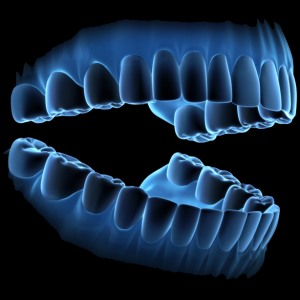
You tripped, you fell and now you have found yourself with a part of your tooth broken and the root exposed. A complicated crown/root fracture is common in trip and fall injuries. In this form of fracture, the crown is fractured with the fracture extending below the gum line, involving the root of the tooth. This is the kind of fracture we typically see portrayed in movies.   This is a dental emergency and you should see us right away. Since this injury is traumatic, we thought it be best if you had a general overview of what to expect during the investigation and treatment stages.

Complicated crown/root fracture is the most challenging type of fracture to treat. As traumatic injury responders our priority is you, your health and your safety. We will do our very best to ensure your comfort during a stressful injury such as this.

We will work quickly in order to assess the vitality of the tooth. We will first assess for pulpal necrosis, vestibule swelling, periapical lesions and/or dramatic color change of the crown. There are instances in crown/root fractures where a gingiovectomy may be necessary in order to ensure that the tooth can be properly restored. During a gingiovectomy, we remove gum tissue that is no longer vital and reshape it to accommodate the tooth accordingly. Using the most current technology and techniques, we will treat your injury as the unique situation it truly is, tailoring a treatment plan and follow-up schedule specifically for you.

Remember: chipping your tooth mildly may not always be a dental emergency but you should call or see us right away so we may help you determine this.


Vaping: Is it harmless?

Vaping: Is it harmless?


VapingYou may have noticed a shift in the smoking world over the past few years. Smokers have been seemingly taking a step in the right direction. Smokers are transitioning away from the traditional cigarette to the e-cigarette, this act is also known as: vaping. Transitioning to an e-cigarette from a chemical-filled cigarette that decades of research have proven is deadly seems like a good thing, right? Think again. There are many people venturing into the world of e-cigarettes blindly. While e-cigarette advertisements and companies are currently unregulated, we wanted to uncover a few potential dangers of this popular fad.
The e-cigarette anatomy consists of a battery, a heating element and a cartridge that holds the nicotine, liquid and flavoring. If anyone has tried to convince you that e-cigarettes are not addictive, they’re wrong. Nicotine is highly addictive, and while many teens and young adults believe that vaping is harmless, nicotine is known to negatively affect brain development in this age group. The act of holding an e-cigarette and the presence of nicotine has indicated that it could be a very strong gateway to smoking real cigarettes for these young adults. That correlation has big tobacco firms excited for the future. Tobacco companies have been severely restricted in their advertising campaigns. In the recent past, they were forced to rely on the ‘cool-factor’ of smoking, something they hoped that celebrities and young adult’s peers would embody. E-cigarettes present a gateway to becoming addicted to the real thing. This is just what tobacco companies had been hoping for! Speaking of advertising, while tobacco companies are highly restricted in their advertising campaigns, no one is regulating e-cigarette companies. In fact, these companies can make any claims they wish. With regard to the manufacturing aspect of the e-cigarettes and their cartridges, there is also no regulating body that creates standards for the products.


We have talked about the anatomy of the actual e-cigarette, but what makes up the vapor that is exhaled by the smoker? The cloud that you see consists of aerosol, nicotine, propylene glycol, flavoring and fine particles. The hotter the body of the e-cigarette gets, the more harmful the chemicals contained in them becomes. This means that the deadly carcinogens present in a traditional cigarette are also present in their electronic counterpart.


Research is currently underway to determine the long-term effects of vaping. While current research indicates that an e-cigarette is safer than smoking an actual cigarette, research also proves that e-cigarettes are far from harmless. If you are looking to improve your mouth and lung health, experts agree that quitting smoking devices altogether is still the only 100% risk-free option available.


After Surgery: What to Feed a Delicate Mouth

After Surgery: What to Feed a Delicate Mouth

After-Surgery---What-to-FeedThere’s nothing like oral surgery to make you appreciate the solid foods and acidic drinks you can’t have right away. Sandwiches, chips, and orange juice should all be avoided after oral surgery such as wisdom tooth removal, dental implant surgery, and orthognathic surgery. Too much chewing can re-open the sensitive areas of your mouth, and can cause bleeding or infection. But don’t worry – we have a few healthy food and beverage recommendations you can use while your mouth is delicate.


First 24 Hours

For the first 24 hours after your surgery, your teeth/jaw will need some time off. Therefore, smoothies, low-fat jello/puddings, and warm (not hot!) soups will be the most beneficial for your healing process. Soft foods are your friends! It is extremely important to refrain from using a straw, as the sucking causes excess strain, which can delay the healing process.


Here are a few recommendations for the first 24 hours:


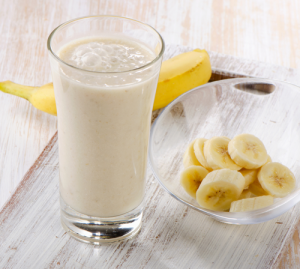
Banana Shake- A healthy, filling way to start the day after your surgery. Don’t use a straw! Also, bananas help replace electrolytes and maintain fluid balance within your body. Other milkshakes and smoothies work great too, as long as they don’t have seeds in them that can get stuck in wounds.


Applesauce- You can’t eat apples, but this is the next best thing!


Soup- Soup with soft content is a great way to go. Don’t include chunks of food that need lots of chewing. Make sure that it’s the right temperature for your sensitive mouth.


Mashed Potatoes- The softest food around. Mashed potatoes require very little effort from your mouth and have great calories and nutrition. Try different toppings to make things interesting.


Next Few Weeks

Over the next few weeks, you will start easing into enjoying solid foods again. Here are some tasty transitional foods (some can even help the healing process!)


Gnocci: Gnocci is one of the softest pastas there is. Try it with tomato sauce, powdered parmesan cheese and a hearty meat filling.


Hamburger Stroganoff : Minced or finely sliced meat is a good place to start, and cooked mushrooms should be soft enough not to bother you. Added sour cream will give the dish a smooth consistency.


We hope that these recommendations help! We genuinely want you to heal as quickly as possibly while maintaining a healthy lifestyle. Feel free to call us with any questions about the post oral surgery process.

Preventing Oral Cancer

Preventing-Oral-CancerWhile we cannot all necessarily prevent cancer from happening, with most cancers, including oral, head and neck cancers, there are things that you can do (or not do!) to reduce your risk.

  • Quit Smoking: After five years of quitting smoking, your risk of oral cancer is cut down to just half of that of a smoker.
  • Limit Alcohol: Excessive alcohol use is the second largest risk factor for oral cancer. Limit drinks to one per day for women and two per day for men.
  • HPV Vaccine: HPV is the leading cause of oropharyngeal cancer (the back of the mouth and throat). HPV is also responsible for a small number of oral cavity cancers (the mouth).
  • Self-Exams: Be an advocate for your own health by regularly examining your mouth with a mirror and flashlight. Don’t forget to look under the tongue! Watch for unusual bumps, patches, different coloring, and report any to us that don’t heal within 14 days. Feel your lips, cheeks, throat and neck for unusual bumps and masses. There are a number of online guides for performing a thorough at home oral cancer self-exam.
  • Have Regular Checkups: Oral health professionals such as dentists and oral surgeons are the second line of defense (after you) in terms of screening for oral cancers. Be sure to ask us any questions that come up during your exam.
  • Eat Well: A healthy diet includes plentiful vegetables and fruits, is low in sugar and saturated fats, and includes lean sources of protein and whole grains. Incorporate new foods into your diet slowly for long lasting results.
  • Exercise: Aim for 30 minutes of moderate exercise a day or more!
  • Get Adequate Sleep and Minimize Stress: A lack of sleep and stress both contribute to inflammation which has long been recognized as a player in the cancer game.


Tooth Trauma – Uncomplicated Crown Fracture – What Now?

(1)ToothTrauma The goal in treating a tooth trauma case is always to maintain or regain pulpal vitality in the affected tooth/teeth. In the previous tooth trauma entry we covered: avulsion (when a tooth is out of the socket). In this entry we will investigate a different kind of tooth trauma: an uncomplicated crown fracture. In this tooth fracture, the damage is limited to the crown of the tooth. There will be dentin exposed, but no pulp exposure.

In the instance of an uncomplicated crown fracture the first step an individual should try to accomplish is finding the piece of broken tooth. If a saline solution or distilled water is readily available, place the broken piece of tooth in this solution. Once you reach the dental professional, the rehydrated piece of tooth will be easier to bond, as the hydration increases its bonding strength.

What to expect during your visit, following an uncomplicated crown fracture:

  • X-Rays will be taken
  • Mouth will be checked for soft tissue lacerations and the presence of any other foreign bodies
  • A sensitivity analysis will be performed
  • The doctor or staff member will collect the tooth segment from you if you were able to find and preserve it
  • We will assess the prognosis for the tooth

If the tooth is still vital, the process of reattaching the segment of tooth and the subsequent bonding will occur. Filling the dentin wound and applying calcium hydroxide to the vicinity of the pulp is the second to last step. Finally, smoothing and fluoridating small enamel defects.

Stay tuned in the upcoming months for the conclusion of the “What Now?” blog series!

Our New Blog!

Our blog has recently been set up. Please check back soon!